
All measures,
explained clearly
From the United Nations to Bhutan, economists and governments have proposed better ways to track human and planetary wellbeing. Here are all eight, in plain language.
Why GDP needed alternatives
GDP — Gross Domestic Product — was designed in the 1930s to measure wartime production capacity. Its own creator, Simon Kuznets, warned it shouldn't be used as a measure of welfare. Yet it became the world's default scorecard.
The measures on this page were developed by economists, governments, and international bodies to fill the gaps GDP leaves.
GDP's blind spots
- Counts pollution cleanup as economic growth
- Ignores all unpaid work — caregiving, volunteering
- Says nothing about whether people are happy or healthy
- Treats inequality as invisible
- Doesn't subtract environmental destruction
All eight measures

Human Development Index
Health, education, and living standards — combined into one number by the United Nations.
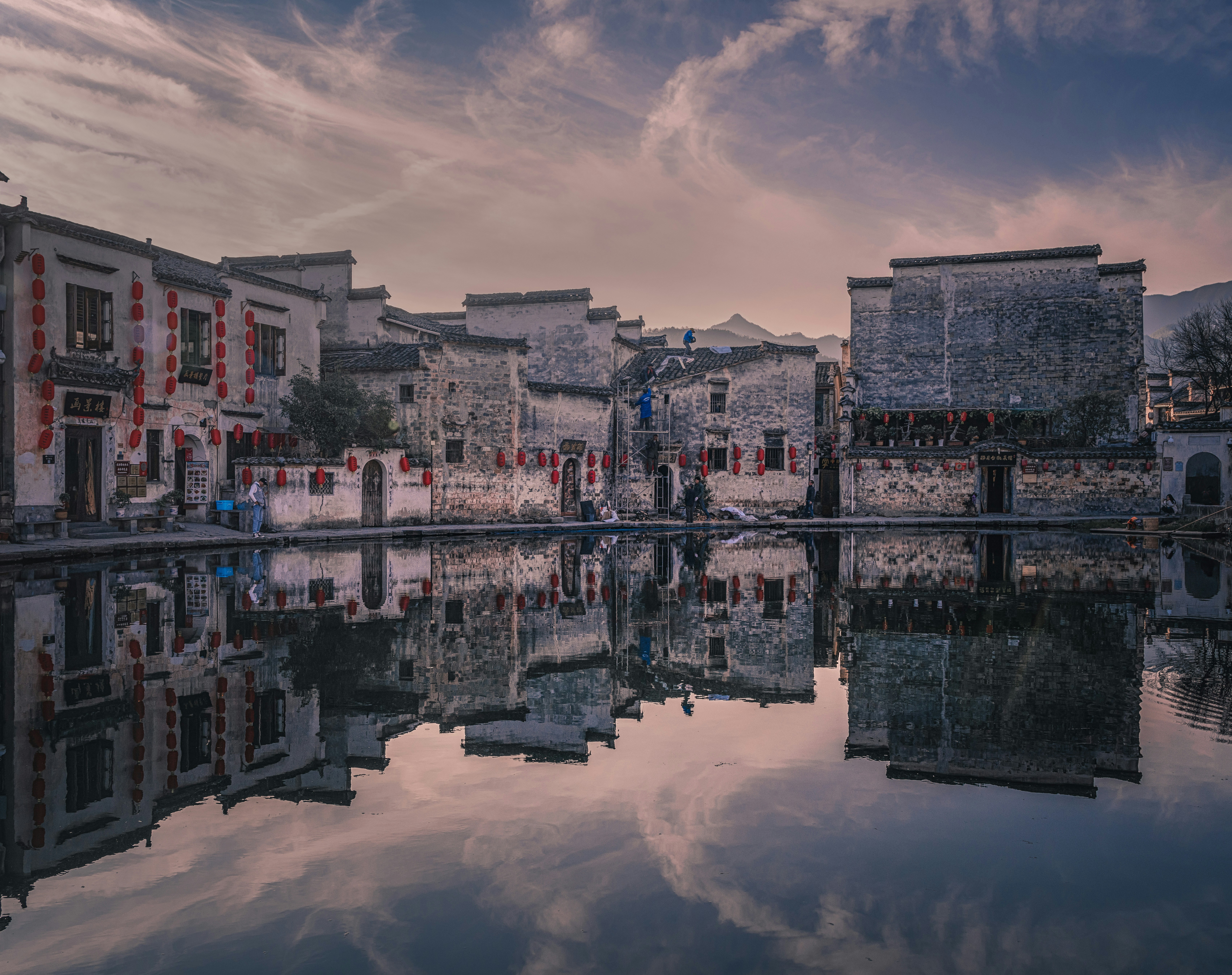
Gross National Happiness
Bhutan's radical idea: govern for happiness, not just growth.
Genuine Progress Indicator
Starts with GDP, then adds social benefits and subtracts environmental costs.
Better Life Index
The OECD's interactive tool comparing wellbeing across 11 dimensions in 41 countries.
Doughnut Economics
A social foundation below, a planetary ceiling above. Thrive in the space between.
Happy Planet Index
How efficiently do countries convert natural resources into long, happy lives?
Wellbeing Economy
Scotland, Iceland, New Zealand, Wales, and Finland governing for human and ecological wellbeing.
Green GDP
Standard GDP adjusted downward to account for environmental destruction and resource depletion.